Tonight's dinner
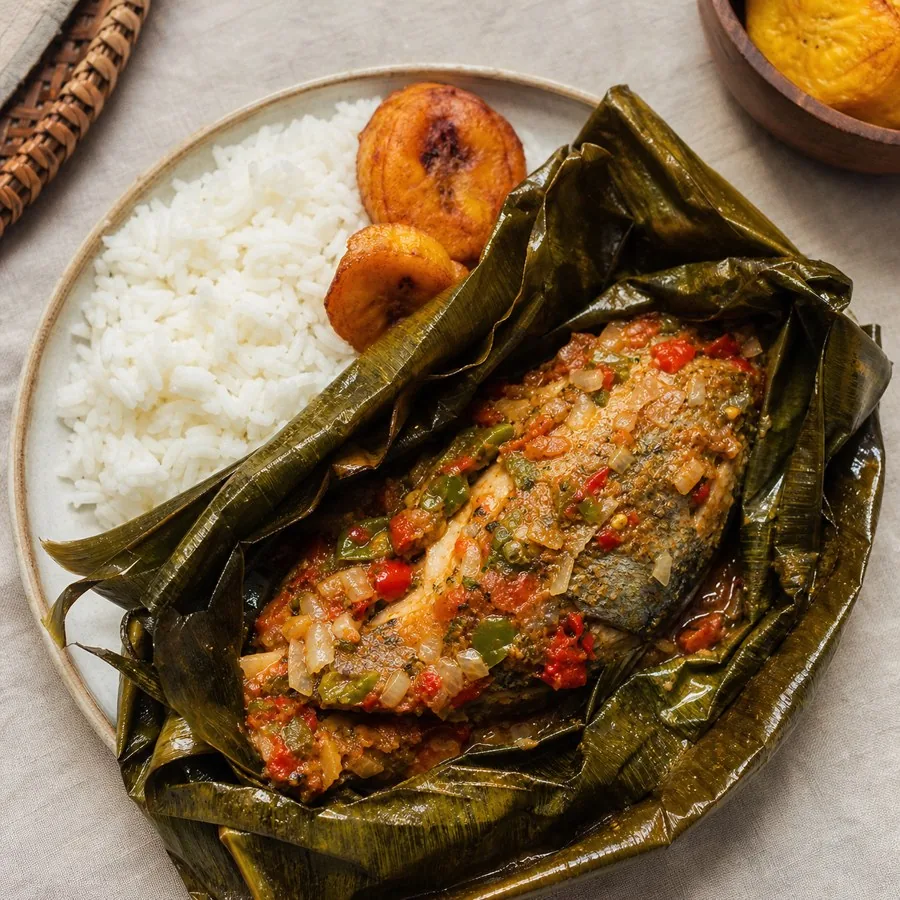
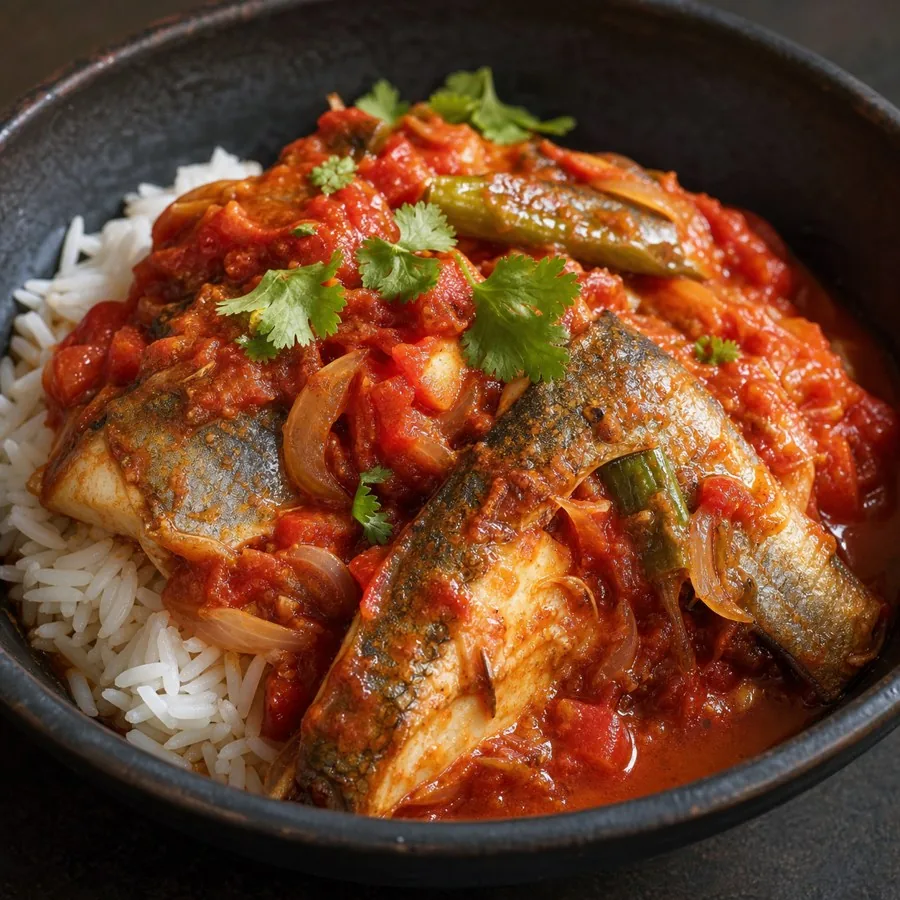
Comorian Mtsolola Fish Tomato Stew
Fish and green banana simmered in a cardamom and clove coconut broth until the sauce is fragrant and thick.
- 45 min
- Serves 3
- Fish
Ingredients
- 1 lb white fish fillets, cut into large chunks
- 1 can coconut milk
- 3 ripe tomatoes, chopped
- 2 tbsp neutral oil
- 1 small onion, finely diced
- 4 garlic cloves, minced
- 1 tbsp freshly grated ginger
- 4 cardamom pods, crushed, and 3 whole cloves
- 1 red chili, sliced
- 1 cup fish stock or water
- 1 1/2 cups rice, for serving
- 1 lime, half juiced and half cut into wedges
- 1 tsp fine salt, plus more to taste
- 2 tbsp chopped cilantro or parsley
Steps
- Rinse the rice until the water runs clear, then simmer it in 2 1/4 cups salted water, covered, over the lowest heat for 15 minutes and leave it covered off the heat.
- Pat the fish dry, season it with half the salt and the lime juice, and refrigerate it while you build the sauce.
- Heat the oil in a wide pan over medium heat and cook the onion for 6 minutes until soft, then add the garlic, ginger, chili, cardamom, and cloves and stir for 1 minute until the whole spices smell fragrant.
- Add the tomatoes and cook for 8 to 10 minutes, pressing them down with a spoon, until they collapse into a thick sauce and the oil separates at the edges of the pan.
- Pour in the stock and simmer for 5 minutes, then add the coconut milk and bring it back to the barest simmer.
- Never let coconut milk boil hard. At a rolling boil it splits into oil and grainy curds, and the sauce will not come back together.
- Slide the fish into the sauce in a single layer, cover, and poach gently for 6 to 8 minutes, until the pieces are opaque, flake at the touch of a fork, and reach 145F (63C).
- Fish out the cloves, adjust the salt and lime, and serve over the rice with the cilantro and lime wedges.
Allergen note: Contains fish and coconut.
Use the listed quantities as a guide, adjust seasoning to taste, and cook proteins to a safe internal temperature.