Tonight's dinner
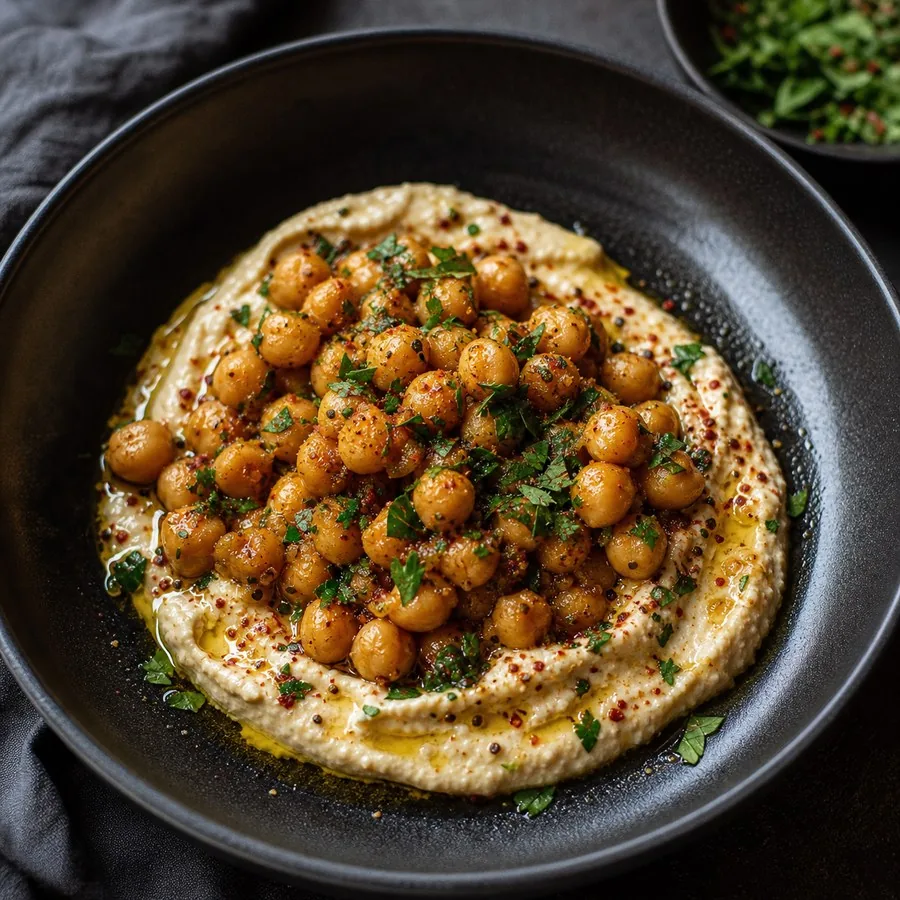
Syrian Musabaha Warm Chickpeas
Syrian Musabaha Warm Chickpeas is a practical 25-minute dinner for 2, layering 2 cans chickpeas, drained with 4 pita wedges and bright ground cumin.
- 25 min
- Serves 2
- Beans
- Vegan
- Vegetarian
Ingredients
- 2 cans chickpeas, drained
- 1/3 cup tahini
- 4 pita wedges
- 1 tomato, diced
- 3 tbsp extra-virgin olive oil
- 1 small onion or 2 scallions, finely chopped
- 3 garlic cloves, minced
- 1 tsp ground cumin
- 1/2 tsp Aleppo pepper
- 1 lemon, half juiced and half cut into wedges
- 1/4 cup fresh herbs, chopped
- Kosher salt and freshly ground black pepper
Steps
- Put the drained chickpeas in a saucepan with 1 1/2 cups water, half the cumin, and 1/2 teaspoon salt. Simmer for 15 minutes, until they are very soft and some skins have floated free.
- Musabaha means whole chickpeas swimming in sauce, so cook them until they yield completely when pressed but keep them intact.
- Reserve 1/2 cup of the cooking liquid and drain the rest.
- Whisk the tahini with the lemon juice in a bowl. It will seize into a stiff paste at first; this is normal, so keep whisking and add the reserved cooking liquid a tablespoon at a time until it loosens into a smooth, pourable cream.
- Whisk in the garlic, the remaining cumin, and 1/4 teaspoon salt. Taste: the sauce should be sharply lemony and pleasantly bitter before it meets the chickpeas.
- Fold two-thirds of the warm chickpeas into the tahini sauce, crushing a few against the bowl so their starch thickens it. Never heat tahini sauce over direct flame, or it splits and turns grainy.
- Spread the mixture in a shallow bowl, spoon the remaining whole chickpeas over the top, and drizzle generously with the olive oil.
- Scatter with the tomato, onion, Aleppo pepper, and fresh herbs, and serve warm with the pita wedges and lemon wedges.
Allergen note: Contains sesame and gluten.
Use the listed quantities as a guide, adjust seasoning to taste, and cook proteins to a safe internal temperature.