Tonight's dinner
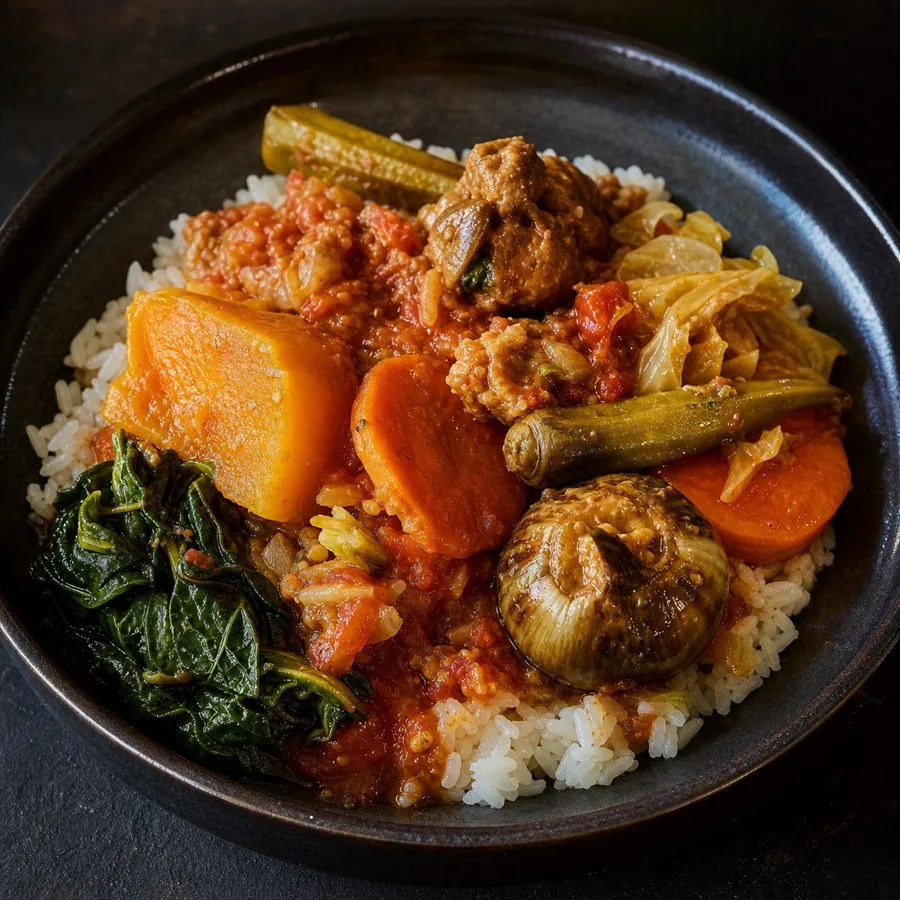
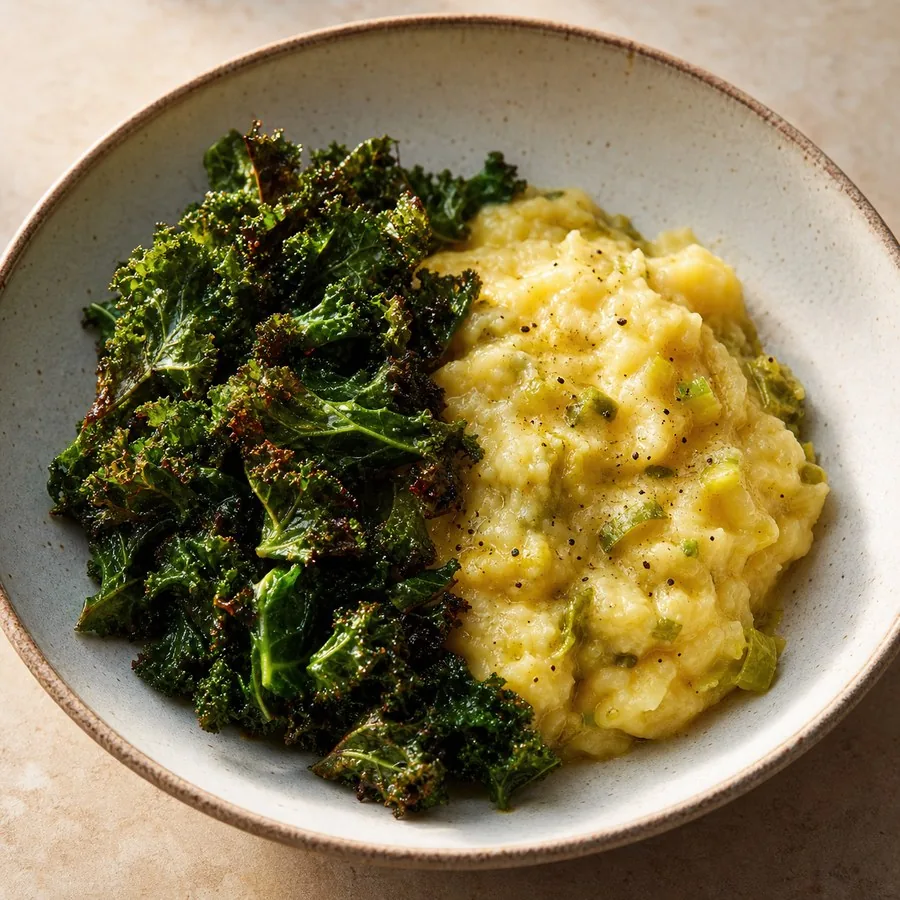
Scottish Rumbledethumps with Crispy Kale
Scottish Rumbledethumps with Crispy Kale is a practical 45-minute dinner for 3, layering 1 lb potatoes, cubed with 3 cups shredded savoy cabbage and bright black pepper.
- 45 min
- Serves 3
- Vegetables
- Vegetarian
Ingredients
- 1 lb potatoes, cubed
- 3 cups shredded savoy cabbage
- 2 cups curly kale
- 1 tbsp olive oil or unsalted butter
- 1 small onion or 2 scallions, finely chopped
- 2 garlic cloves, minced
- 1/2 tsp black pepper
- 1/2 lemon, cut into wedges
- 1/4 cup fresh herbs, chopped
- Kosher salt and freshly ground black pepper
Steps
- Heat the oven to 400F (200C). Put the cubed potatoes in a saucepan, cover with cold salted water, and simmer for 15 minutes until completely tender.
- Drain them well and return them to the dry pan over low heat for a minute to steam off the surface water, then mash them coarsely and set aside.
- Heat the oil or butter in a wide skillet over medium heat and cook the onion with a pinch of salt for 5 minutes, then add the shredded cabbage and cook for 8 to 10 minutes, until wilted and starting to catch colour.
- Add the garlic and black pepper for the last 30 seconds, then fold the cabbage mixture into the mashed potato and season firmly with salt.
- Scrape the mixture into a baking dish and rough up the surface with a fork. Those raised ridges are what turn crisp and brown in the oven.
- Bake for 20 to 25 minutes, until the top is golden and crisp and the edges are bubbling.
- Toss the kale with a little oil and salt, spread it on a separate sheet pan, and roast for the last 8 to 10 minutes, until the leaves are dark and shatteringly crisp. Watch it closely; kale goes from crisp to burnt in a minute.
- Top the rumbledethumps with the crispy kale and fresh herbs and serve with lemon wedges.
Allergen note: Contains dairy.
Use the listed quantities as a guide, adjust seasoning to taste, and cook proteins to a safe internal temperature.